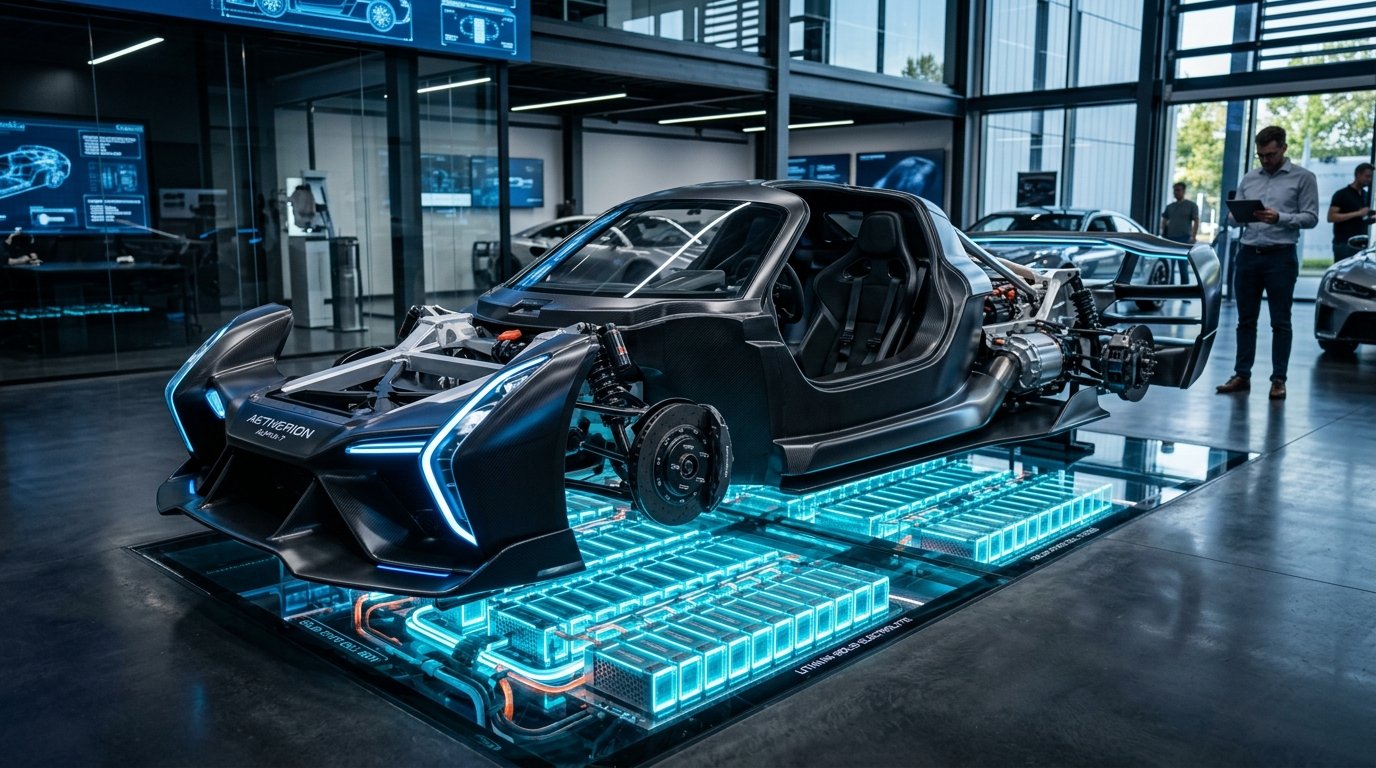
The long-awaited holy grail of electric mobility—solid-state lithium-metal battery technology—is finally entering mass commercial production lines across North America and East Asia. By replacing flammable liquid organic electrolytes with resilient ceramic and sulfide-based solid conductors, automakers are eliminating the primary safety and degradation concerns that have constrained electric vehicle adoption.
With energy densities exceeding 500 Wh/kg, solid-state cells allow passenger vehicles to achieve verified driving ranges of over 700 miles on a single charge, without increasing total vehicle curb weight or compromising structural chassis volume.
10-Minute DC Fast Charging Without Degradation
Lithium-metal anodes virtually eliminate the formation of damaging dendrites during high-current charging cycles. Consequently, next-generation electric vehicles can accept steady 350kW to 450kW charge rates, replenishing 80% of total pack capacity in under ten minutes.
This rapid turnaround fundamentally transforms the long-distance highway travel experience, rendering EV charging duration practically indistinguishable from traditional internal combustion refueling stops.
Supply Chain Scaling and Grid Integration
Gigafactories equipped with dry-electrode manufacturing processes are rapidly scaling output while reducing production water and energy footprints by over 40%. The resulting cost reductions are projected to bring EV pack costs well below the $80/kWh parity threshold before the end of the decade.